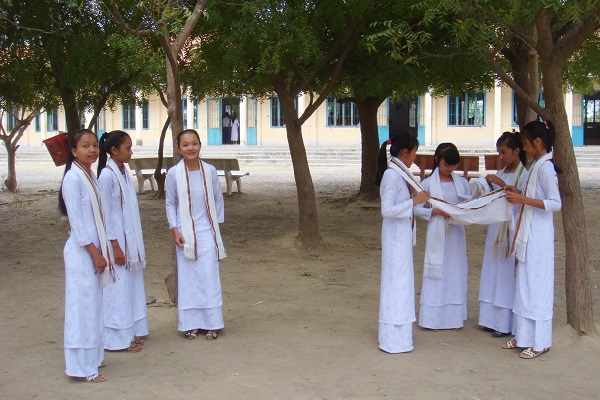
Modern Vietnam is not the product of a single historical path or a sole political actor. The country was formed on the foundation of at least three historically independent and sovereign political spaces: Đại Việt in the North, Champa in Central Vietnam, and Khmer Krom in the South. This is not a metaphor it is a historical reality that shaped Vietnam’s territory, population, and social structure.
Yet, at the 14th National Congress of the Communist Party of Vietnam, the nineteen members of the Politburo the highest decision-making body include no representatives from the Cham or Khmer Krom communities. Among approximately 200 Central Committee members, both full and alternate, their absence is comprehensive.
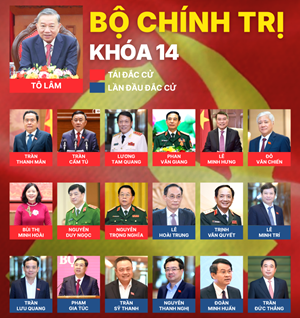
Figure 1. List of the 19 Politburo Members at the 14th Congress of the Communist Party of Vietnam.
If this had happened in a single term, it might be seen as coincidence. But when it occurs repeatedly over decades, it reveals a systematic, exclusionary power structure. This is no longer a question of “ethnic underrepresentation”; it is a state model built on political assimilation.
Vietnam’s current power structure functions as a direct continuation of Đại Việt’s historical authority rather than a multi-historical political compact among the actors who created the nation. Within this system, coastal Champa in Central Vietnam is entirely absent from central politics. Highland Champa historical Vijaya in the Central Highlands appears only in politically neutral, softened forms. Khmer Krom in the South is excluded from the center of power altogether.
These communities have not been militarily defeated again. Their marginalization occurs politically, through long-standing, organized silence. This is not accidental but a deliberate process of assimilation widely understood across the system.
For Cham or Khmer Krom individuals, access to central power requires self-erasure. They must blur or abandon their historical and political identities, limit or withdraw from Cham Islam or Khmer Theravāda Buddhist traditions, assimilate fully into Kinh cultural and political norms, and avoid any statements regarding historical sovereignty, collective memory, or justice.
This is not positive integration it is coercive assimilation disguised as political selection. Power does not seek diversity or capacity but chooses individuals most similar and least disruptive to the existing order.
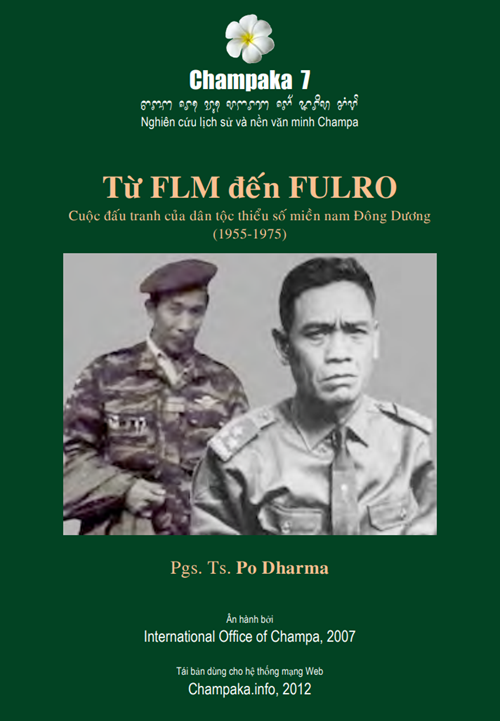
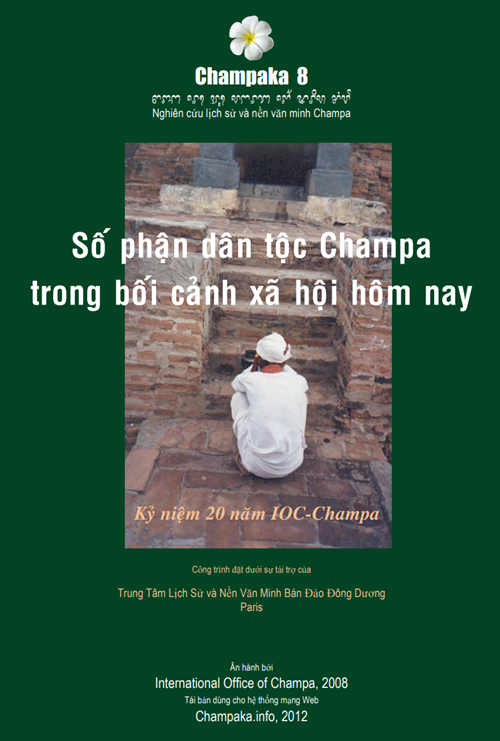
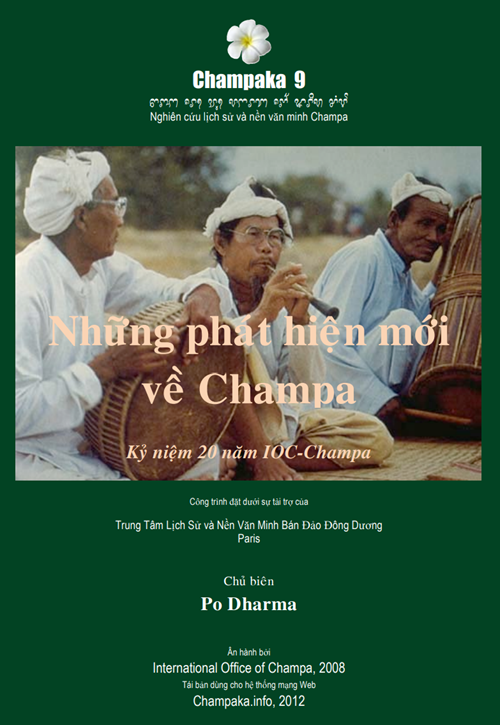
Champa and Khmer Krom were historically independent nations, sovereign political actors, and centers of distinctive cultural and religious spaces, existing long before Đại Việt expanded southward. Today, they are downgraded to “ethnic minorities,” “administrative objects,” or “policy issues,” and are never recognized as equal political partners within the state.
Without representation in the Politburo or Central Committee, these communities cannot protect their historical memory, cultural space, religious life, or political future at the highest level. The complete absence of Cham Islam and Khmer Theravāda Buddhism in central power demonstrates a stark reality: the state recognizes only a single political identity. Other identities are tolerated only if they do not challenge authority.
In this context, concepts like “national unity” or “ethnic equality” exist only rhetorically. Unity cannot exist when major historical actors are excluded from the center of power. Equality cannot exist when it is absent in practical political life.
The truth must be named: modern Vietnam is not unified in diversity. It is unified through the erasure of inconvenient historical and political differences. This structural reality challenges any claims about the state’s multi-ethnic and multicultural identity.